
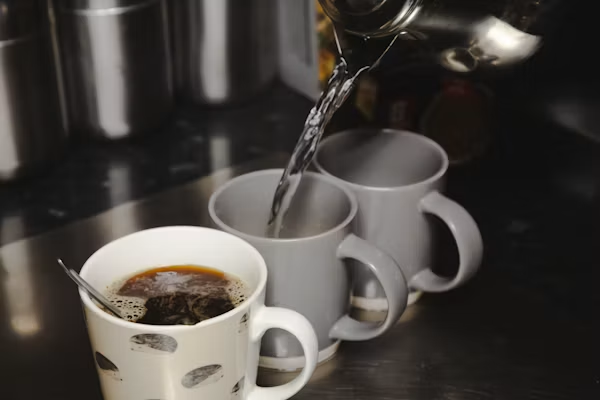
You have ground coffee in the kitchen, but no coffee maker.
Maybe your machine stopped working. Maybe you are traveling, staying somewhere without one, or simply do not own a coffee maker. Whatever the reason, you do not have to give up on your coffee just because there is no machine nearby.
Ground coffee can be brewed with very simple kitchen tools.
In fact, you can make a good cup using a saucepan, a mug, a strainer, or even a paper coffee filter. The basic idea is always the same: combine ground coffee with hot water, give it enough time to brew, and then separate the grounds from the coffee as well as you can.
Here are some easy ways to do it.
The Easiest Method: Brew Ground Coffee in a Cup
If you have ground coffee, hot water, and a mug, you already have enough to make coffee.
This is probably the simplest method when you do not have a coffee maker.
What you need
- 1 cup of water
- 1 to 2 tablespoons of ground coffee
- A mug
- A spoon
How to make it
- Heat the water until it is very hot.
- Put the ground coffee directly into your mug.
- Slowly pour the hot water over the coffee.
- Stir gently once or twice.
- Let the coffee steep for about 4 minutes.
- Wait another minute for the grounds to settle toward the bottom.
- Slowly drink or pour the coffee into another cup, leaving the grounds behind.
This method is sometimes called immersion brewing because the coffee grounds remain in contact with the water while the coffee brews.
It is not as clean as coffee made with a paper filter, but it works surprisingly well when you have very little equipment.
How Much Ground Coffee Should You Use?
A good starting point is 1 to 2 tablespoons of ground coffee for every cup of water.
If you prefer a stronger cup, use a little more coffee. If you like a milder drink, use less.
You can also adjust the amount based on the type of coffee you have.
The important thing is not to assume that stronger coffee always means leaving the grounds in hot water for much longer. Excessive brewing time can make the coffee taste bitter or harsh.
Start with a simple ratio and adjust it the next time you make a cup.
Method 2: Make Ground Coffee in a Saucepan
A small saucepan is one of the most useful tools when you need to make coffee without a coffee maker.
It is especially convenient if you want to make more than one cup.
What you need
- Water
- Ground coffee
- A small saucepan
- A spoon
- A strainer, if available
How to make coffee in a saucepan
- Pour the desired amount of water into the saucepan.
- Heat the water over medium heat.
- Once it is very hot, add the ground coffee.
- Stir gently so the grounds become fully saturated.
- Let the coffee brew for about 3 to 4 minutes.
- Remove the saucepan from the heat.
- Let the grounds settle for another minute.
- Slowly pour the coffee into your cup.
If you have a fine-mesh strainer, pour the coffee through it to catch most of the grounds.
If you do not have one, simply pour slowly and stop before the grounds at the bottom of the saucepan reach the cup.
This method is similar to what is sometimes called cowboy coffee: the grounds are brewed directly in the water and then allowed to settle before serving.
Method 3: Use a Coffee Filter Without a Coffee Maker
If you have ground coffee and paper coffee filters, you can make a very clean cup without owning a coffee machine.
You just need a way to hold the filter above your cup.
A funnel, fine strainer, or another stable container can work as long as it is suitable for hot water.
What you need
- Ground coffee
- A paper coffee filter
- Hot water
- A mug
- A funnel or other stable support
How to make it
- Place the filter over the mug.
- Add 1 to 2 tablespoons of ground coffee to the filter.
- Slowly pour a small amount of hot water over the grounds.
- Wait about 20 to 30 seconds.
- Slowly add the rest of the water.
- Allow the coffee to drip completely into the mug.
- Remove the filter and discard the grounds.
Pouring the water slowly helps the grounds become evenly saturated instead of allowing water to rush through one area.
The result is usually cleaner and lighter than coffee brewed directly in a saucepan.
Method 4: Make a Coffee Bag
Here is another useful trick if you have ground coffee but no coffee maker.
You can turn a paper coffee filter into a simple coffee bag.
Place the ground coffee in the center of the filter, gather the edges, and secure the top with clean kitchen string.
Then place the coffee bag in your mug and pour hot water over it.
Let it steep for about 3 to 4 minutes before removing the bag.
This works much like a tea bag and has one major advantage: the coffee grounds stay contained, so you do not have to worry about them settling at the bottom of your cup.
If you do not have a coffee filter, a clean, thin, food-safe cloth can sometimes work as an alternative. Make sure it has not been washed with strongly scented products that could affect the flavor.
What Type of Ground Coffee Works Best?
You can use most types of ground coffee, but the grind size can affect the result.
Coarser grounds are generally easier to separate from the finished coffee and tend to leave less sediment in the cup.
Finer grounds can produce a stronger extraction, but they are also more difficult to filter and may leave more particles behind.
If you are making coffee directly in a mug or saucepan, a medium or slightly coarse grind can be easier to work with.
If the only coffee you have is finely ground, do not worry. It can still work. Just be more careful when pouring or use a fine filter.
How Hot Should the Water Be?
You do not need to measure the temperature precisely to make coffee at home.
A practical approach is to heat the water until it is very hot and then let it sit briefly before pouring it over the grounds.
For traditional brewing, coffee organizations generally recommend water around 200°F (93°C), rather than keeping the grounds boiling for an extended period.
Very aggressive boiling is not necessary for these methods.
The goal is to get the coffee grounds into contact with hot water without overcooking the coffee.
Why Does Homemade Coffee Sometimes Taste Bitter?
If your coffee tastes bitter when you make it without a coffee maker, the problem may not be the coffee itself.
A few things can affect the result.
Too much coffee
Using a large amount of grounds can make the cup taste overpowering.
Too much brewing time
Leaving the grounds in hot water for too long can produce a harsher flavor.
Water that is too hot
Keeping coffee at a rolling boil is usually unnecessary and can make the flavor unpleasant.
Very fine grounds
Fine grounds are harder to separate and can make the coffee taste heavier or more bitter.
The easiest solution is to change one thing at a time. Use a little less coffee, shorten the brewing time, or let the water cool slightly before brewing.
What If You Do Not Have a Strainer?
You can still make coffee.
The simplest option is to let the grounds settle at the bottom of the mug or saucepan and then pour slowly.
Do not shake or stir the container immediately before pouring. That will bring the grounds back into suspension.
Another option is to use a paper coffee filter if you have one.
A clean, thin cloth can also work as a makeshift filter, provided it is suitable for contact with hot water and has no detergent or fragrance that could affect the coffee.
Can You Make Coffee With Ground Coffee and Cold Water?
Yes, but that is a different brewing method.
Cold brew coffee uses ground coffee and cold or room-temperature water, but it requires a much longer steeping time than hot coffee.
Instead of waiting a few minutes, you generally let the grounds steep for many hours before filtering the coffee.
So if you need a cup of coffee right now, hot-water brewing is the practical choice.
If you are planning ahead, however, cold brew can be another way to use your ground coffee without a coffee maker.
The Best Method Depends on What You Have
You do not need special equipment to make coffee from ground coffee.
If you have only a mug, steep the coffee directly in the cup and let the grounds settle.
If you have a saucepan, brew the coffee on the stovetop and pour it carefully.
If you have a paper filter, make a simple manual pour-over.
If you have a coffee filter and some string, make a coffee bag.
Each method has a slightly different result, but they all solve the same problem: getting a cup of coffee when the coffee maker is not available. If you want to explore more simple ways to make coffee without a machine, you can also try these other methods.
A Simple Recipe to Remember
When you need coffee without a machine, remember this basic formula:
Hot water + ground coffee + a few minutes of brewing + a way to separate the grounds.
Start with about 1 to 2 tablespoons of ground coffee per cup of water and adjust it to your taste.
You do not need a perfect setup.
Sometimes a saucepan and a mug are enough to get the morning back on track.
And if you already have ground coffee sitting in your kitchen, you are much closer to a fresh cup than you might think.