
The moment keeps replaying.
The decision.
The conversation.
The choice that now feels impossible to understand.
The mind goes back and changes the details.
“Maybe I should have noticed earlier.”
“Maybe I should have chosen differently.”
“Maybe I ruined something important.”
The hardest part is not always the mistake itself.
Sometimes it is what happens after.
The way confidence starts to disappear.
The way every future decision becomes heavier because a part of the mind keeps asking:
“What if I get it wrong again?”
When one mistake changes the way you see yourself
Making a mistake is part of being human.
But some mistakes feel different.
They touch something important.
A relationship.
A career decision.
A personal choice.
A moment when there was a lot at stake.
And after that, it can become easy to confuse one bad decision with a permanent truth about yourself.
Instead of thinking:
“I made a mistake.”
The thought becomes:
“I cannot trust myself.”
That is where the real damage begins.
Because the goal is not only to fix what happened.
It is to rebuild the relationship with yourself.
Understand what happened without becoming the mistake
After something goes wrong, the mind often searches for a simple explanation.
It wants a reason.
It wants to know how to prevent the same pain from happening again.
So it returns to the moment.
Again and again.
Looking for the exact point where everything changed.
“What did I miss?”
“Why didn’t I see it?”
“How could I have allowed this to happen?”
Reflection can be useful.
But there is a difference between understanding and punishing yourself.
Understanding asks:
“What can I learn from this?”
Punishment asks:
“What is wrong with me?”
One helps you grow.
The other keeps you trapped in the past.
Look at the situation honestly.
What information did you have at the time?
What did you not know?
What signs did you miss?
What would you do differently today?
A mistake can become information.
It does not need to become an identity.
Rebuild trust through small decisions
Confidence in yourself does not return through one big moment.
It returns through evidence.
Small choices.
Small promises.
Small actions that show:
“I can listen to myself.”
“I can make adjustments.”
“I can learn.”
After losing trust in yourself, waiting for a huge decision to prove you are different can make things harder.
Start smaller.
Choose one thing that has been avoided.
Finish something you have been postponing.
Make a decision without asking ten different people what they would do.
Keep one promise you make to yourself.
These moments may seem simple, but they matter.
Every time action matches intention, trust begins to return.
Stop looking for a guarantee before moving forward
One of the effects of a painful mistake is the desire to avoid uncertainty.
The mind starts looking for a perfect choice.
A choice that cannot fail.
A decision that comes with a guarantee.
But life rarely works that way.
No amount of planning can remove every risk.
No amount of thinking can create complete certainty.
A healthier goal is not:
“I will never make another mistake.”
It is:
“I know I can handle myself if something does not go as planned.”
That is real confidence.
Not believing everything will be perfect.
Believing you can respond when things are not.
Notice the difference between fear and wisdom
After a mistake, caution can feel like maturity.
Sometimes it is.
A difficult experience can teach important lessons.
It can show the need for better boundaries.
Better preparation.
More patience.
More awareness.
But sometimes fear disguises itself as wisdom.
You may tell yourself:
“I am just being careful.”
But underneath it may be:
“I am afraid to try again.”
Learning from a mistake does not mean avoiding every situation that feels uncertain.
It means carrying the lesson forward without carrying the fear forever.
Turn the lesson into a new direction
A mistake should not only be remembered.
It should be used.
Maybe it showed a pattern that needs attention.
Maybe it revealed that something important was being ignored.
Maybe it showed that a decision was made from fear, pressure, or the desire to please others.
The question is not:
“How do I go back and change the past?”
The question is:
“What can I do differently from this point forward?”
That is where a new version of the story begins. Sometimes, moving forward starts with learning how to begin again when the next step is not clear.
A person is not defined by the moment when things went wrong.
Growth happens when the experience becomes part of the journey, not the entire story.
Give yourself permission to become someone new
Sometimes the reason it is difficult to trust yourself again is because the old version of yourself feels like the only version that exists.
The person who made the mistake.
The person who chose badly.
The person who did not know what they know now.
But every person changes with experience.
The version of yourself today has more information.
More awareness.
More understanding.
You are allowed to make decisions with what you know now.
The goal is not to become someone who never makes mistakes.
The goal is to become someone who can recover, adjust, and continue.
Final thought
A mistake can change the way you see yourself.
But it does not have to define you.
The person who made that decision is not the only version of you that exists.
You can learn.
You can adjust.
You can become someone who trusts their own judgment again.
Not because you never get things wrong.
But because you know you can find your way forward.
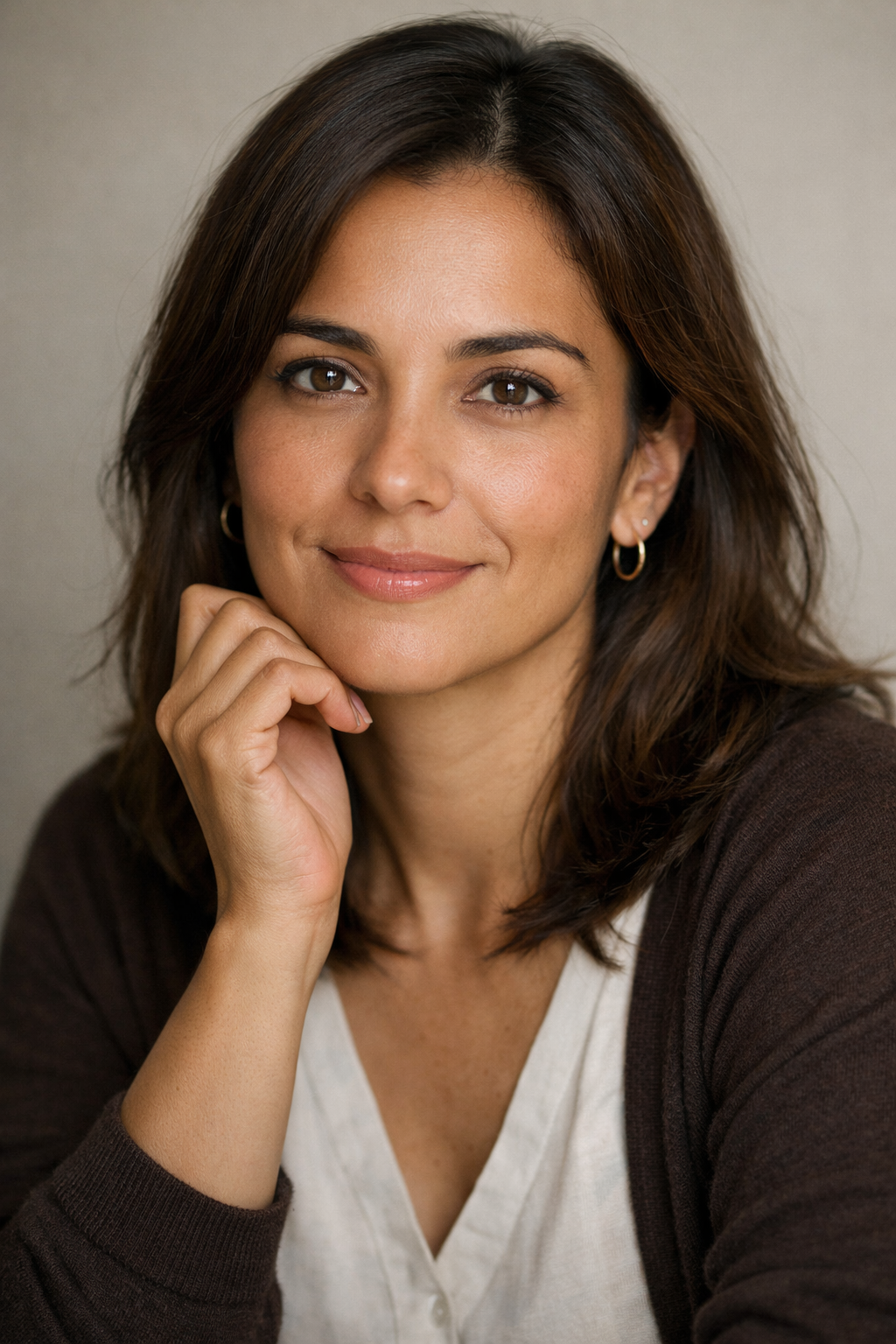
Hi, I’m Regina.
I’m a curious person who likes to notice things.
Sometimes it’s a thought that stays in my head all day. Sometimes it’s something I discover, a question I suddenly want to answer, a dream I cannot stop thinking about, or something completely ordinary that somehow becomes interesting.
I created Vida e Palavras as a place to explore all of that through words.
Here, I write about everyday life, emotions, habits, dreams, curiosity, inspiration, and the small things that make us stop and think.
I’m not here to pretend I have all the answers. I’m here to explore, discover, and share ideas along the way.
I hope you find something here that makes you think, feel, learn, or simply pause for a moment.