
Introduction
Have you ever felt butterflies in your stomach before something important?
Or noticed how your mood changes after eating certain foods?
That’s not a coincidence.
There is a powerful connection inside your body — a constant communication between your gut and your brain that directly influences how you feel, think, and respond to life.
This connection is known as the gut-brain axis, and understanding it can completely transform the way you approach both nutrition and emotional well-being.
What Is the Gut-Brain Axis?
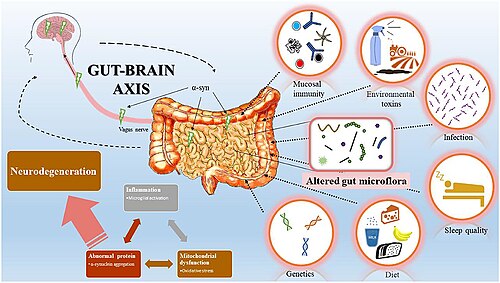
The gut-brain axis is a two-way communication system between your digestive system and your brain.
This connection happens through:
- The vagus nerve
- Hormones and neurotransmitters
- The immune system
- The gut microbiome
Your gut is often called your “second brain”, because it plays a major role in regulating not just digestion, but also emotions.
In fact, your daily habits — like those discussed in How Small Daily Habits Can Improve Mental Health and Emotional Balance — can directly influence this connection.
How Your Gut Influences Your Mood
Your gut produces many of the chemicals responsible for emotional balance.
Around 90% of serotonin — the “feel-good” hormone — is produced in the gut.
This means:
- A healthy gut supports emotional stability
- An imbalanced gut can contribute to anxiety and low mood
Gut bacteria also help regulate:
- Dopamine (motivation)
- GABA (calmness)
That’s why improving your gut health often leads to noticeable changes in how you feel.
If you’re looking for simple ways to start, you may also enjoy Simple Habits That Can Strengthen Your Mental Well-Being.
The Role of Diet in Mental Health
What you eat directly shapes your gut microbiome — and your microbiome influences your mental state.
Healthy dietary patterns include:
- Fiber-rich foods
- Whole, natural ingredients
- Balanced meals
On the other hand:
- Ultra-processed foods
- Excess sugar
- Low-nutrient diets
can disrupt your gut balance and increase inflammation.
If you want to go deeper into this topic, check out Fiber-Rich Diets: Key to a Happy Gut and Stable Emotions, which explains how fiber plays a crucial role in emotional health.
Signs Your Gut Might Be Affecting Your Mood
Sometimes, the signals are subtle.
You may experience:
- Mood swings
- Anxiety without a clear reason
- Brain fog
- Digestive discomfort
- Low energy
These signs may indicate that your gut and brain are not in balance.
Foods That Support a Healthy Gut-Brain Connection
You don’t need perfection — just consistency.
Focus on including:
🥦 Fiber-rich foods
Fruits, vegetables, and whole grains feed beneficial bacteria.
🥛 Fermented foods
Yogurt, kefir, and fermented vegetables add healthy bacteria.
🐟 Omega-3 sources
Fish, seeds, and nuts help reduce inflammation.
🌱 Prebiotic foods
Garlic, onions, and bananas nourish your microbiome.
You can explore more options in Top Foods to Nourish Your Gut and Elevate Your Emotional Health and understand how probiotics support mental health in The Power of Probiotics: Enhancing Mental Well-Being Through Gut Health.
A More Human Perspective
Taking care of your gut is not just about food.
It’s about how you live.
Stress, lack of sleep, and rushed meals can all disrupt this balance.
Sometimes, improving your mental health isn’t about doing more —
it’s about slowing down, making better choices, and reconnecting with your body.
Conclusion
Your mood is not only in your mind — it’s also in your gut.
By making small, intentional changes in your diet and lifestyle, you can support both your physical and emotional well-being in a natural and sustainable way.
And maybe…
feeling better doesn’t require a complete transformation —
just better choices, repeated every day.