
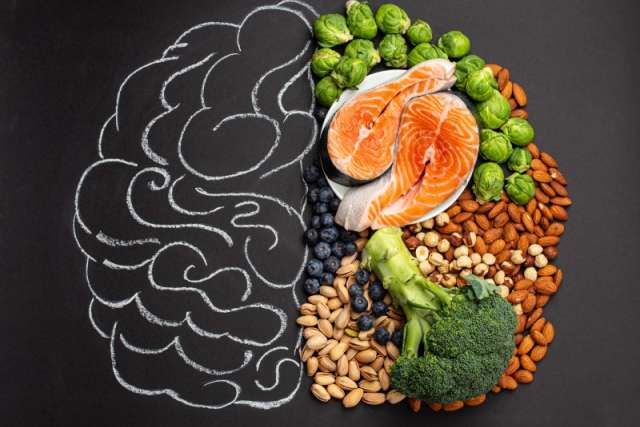
What you eat doesn’t just affect your body.
It shapes how you feel.
Your gut and brain are constantly connected through the gut-brain axis, a system that influences mood, stress, and emotional balance.
This means your daily food choices play a direct role in your emotional well-being.
Why Food Matters for Emotional Health
Your brain depends on nutrients to regulate mood.
Certain foods help:
- support neurotransmitters like serotonin and dopamine
- reduce inflammation
- improve gut bacteria balance
Research shows that diet quality is directly linked to mental health, and poor nutrition may contribute to low mood.
👉 In simple terms:
Better food → better internal balance → better mood
The Most Important Food Groups for Gut and Mood
Instead of focusing on isolated foods, it’s more effective to focus on categories that support your system.
🥬 1. Vegetables and Leafy Greens
Rich in:
- fiber
- antioxidants
- vitamins
These help:
- feed beneficial gut bacteria
- reduce inflammation
- support brain function
Studies show diets rich in vegetables improve gut microbiota diversity and function.
🍓 2. Fruits (Especially Berries)
Fruits provide:
- antioxidants
- natural fiber
- polyphenols
These compounds support:
- brain protection
- gut health
- emotional stability
🥣 3. Whole Grains and Complex Carbohydrates
Examples:
- oats
- brown rice
- whole wheat
These foods help:
- stabilize blood sugar
- support serotonin production
Carbohydrates can increase serotonin levels, which directly affects mood.
🥜 4. Nuts and Seeds
Rich in:
- healthy fats
- magnesium
- amino acids
They support:
- brain function
- emotional regulation
- energy stability
🐟 5. Fatty Fish (Omega-3s)
Examples:
- salmon
- sardines
- tuna
Omega-3 fatty acids are strongly linked to:
- reduced inflammation
- improved mood
- better brain health
🥣 6. Fermented Foods (Probiotics)
Examples:
- yogurt
- kefir
- kimchi
These foods:
- support beneficial gut bacteria
- improve gut-brain communication
- help emotional regulation
🫘 7. Legumes and Beans
Examples:
- lentils
- chickpeas
- beans
They provide:
- fiber
- protein
- stable energy
And support both gut health and emotional balance.
Why Balance Matters More Than “Superfoods”
There is no single food that changes everything.
Research shows that overall dietary patterns, especially those rich in whole foods, are more important than individual items.
👉 That means:
Consistency > perfection
Pattern > single food
The Role of the Gut in Emotional Stability
Your gut microbiome influences:
- mood
- stress response
- cognitive function
Dietary patterns rich in fiber, probiotics, and healthy fats improve gut health and reduce inflammation linked to anxiety and depression.
How to Apply This in Daily Life
You don’t need to change everything at once.
Start with simple steps:
1. Add One Whole Food Per Meal
Not everything—just one improvement.
2. Combine Nutrients
Example:
- fruit + nuts
- grains + protein
👉 This stabilizes energy and mood.
3. Eat Consistently
Irregular eating can affect:
- mood
- energy
- focus
4. Reduce Ultra-Processed Foods
Too much processed food can negatively affect gut health and emotional balance.
Connecting This With Your Other Habits
This article connects directly with:
👉 your fiber article (gut base)
👉 your probiotics article (microbiome support)
👉 your mindful eating article (behavior)
Because:
💥 food + awareness + consistency = emotional stability
From Nutrition to Emotional Balance
When your body is supported:
- your mood becomes more stable
- your stress response improves
- your energy feels more consistent
Not because food is a “solution”—
but because it supports the system behind your emotions.
Conclusion
You don’t need a perfect diet.
You need a consistent one.
Focus on whole foods.
Support your gut.
Build simple habits.
Because when your internal system is balanced…
your emotional health becomes more stable—naturally.