
Most people associate probiotics with digestion.
But their role goes far beyond the gut.
Emerging research shows that the microorganisms living in your digestive system may influence how you feel, think, and respond to stress.
Understanding the Gut-Brain Axis
Your gut and brain are constantly communicating through a system known as the gut-brain axis.
This connection involves:
- the nervous system
- hormones
- immune signals
And it plays a role in mood, stress response, and emotional regulation
👉 This means your mental well-being is not just psychological—it’s also biological.
What Are Probiotics
Probiotics are live microorganisms that, when consumed in adequate amounts, support a healthy balance of gut bacteria.
They are found in:
- yogurt
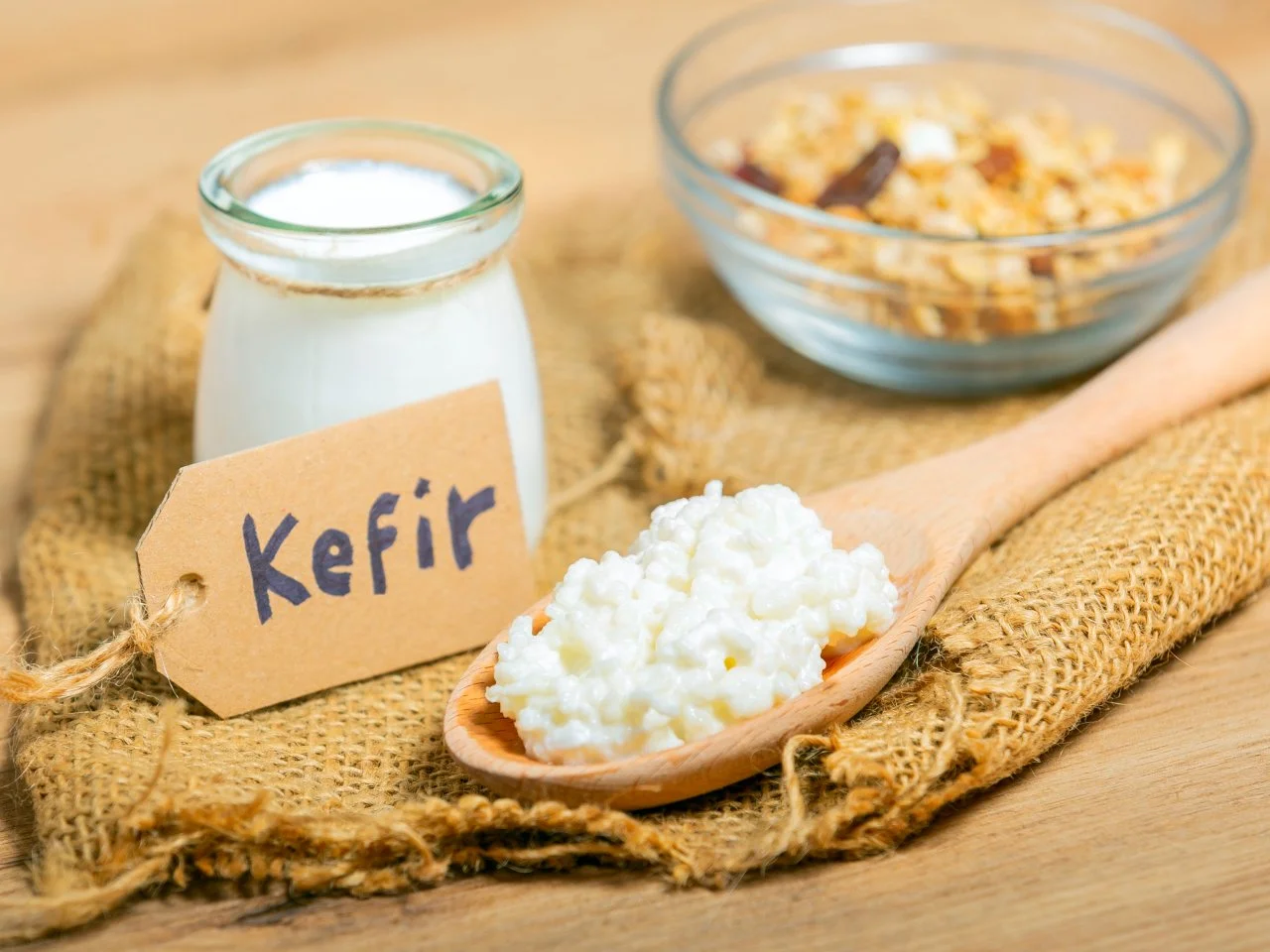
- kefir
- fermented foods
- supplements
Their main role is to help restore balance in the gut microbiome.
How Probiotics May Influence Mental Health
Research suggests that probiotics can influence emotional health in several ways:
🧠 1. Supporting Neurotransmitters
Certain probiotics (sometimes called psychobiotics) can help produce neurotransmitters like serotonin and GABA—key regulators of mood
🔄 2. Reducing Inflammation
Gut imbalance is linked to inflammation, which has been associated with anxiety and depression.
Probiotics may help reduce this inflammatory response
😌 3. Regulating Stress Response
Probiotics can influence the HPA axis (your stress system), helping lower cortisol and improve resilience
What Science Actually Shows
The evidence is promising—but it’s important to stay realistic.
Studies suggest that probiotics can:
- reduce negative mood over time (sometimes within weeks)
- improve symptoms of anxiety and depression in some cases
- support overall emotional well-being
👉 However:
❗ results are still inconsistent across studies
❗ effects depend on strains, dosage, and individual differences
Probiotics Are Not a Quick Fix
It’s important to be clear:
Probiotics are not:
- a cure for mental health conditions
- a replacement for therapy or medical treatment
👉 They are support tools, not solutions.
Food First: The Best Way to Support Your Gut
Before supplements, focus on your daily habits.
A healthy gut is built through:
- fiber-rich foods
- balanced nutrition
- consistent eating patterns
This connects directly with
👉 your fiber and mood article
👉 your mindful eating article
Because diet is the foundation of gut health.
Simple Ways to Include Probiotics in Your Routine
You don’t need anything extreme.
Start with:
- yogurt with live cultures
- kefir or fermented milk
- foods like kimchi or sauerkraut
👉 small, consistent intake is more effective than occasional use
Consistency Over Intensity
Like everything else in your blog:
👉 results come from repetition
Regular intake of gut-supporting foods helps:
- maintain microbial balance
- support emotional stability
- improve long-term well-being
Connecting This With Your Other Habits
Probiotics are just one part of a bigger system.
They work best when combined with:
👉 Fiber-Rich Diets for Emotional Balance
👉 Mood-Boosting Foods
Because:
- fiber feeds gut bacteria
- probiotics support them
- habits sustain them
A More Balanced Perspective
The gut-brain connection is real.
Probiotics can help support it.
But the most important thing is not one product or one habit—
it’s the system you build over time.
Conclusion
Your mental well-being is not shaped by your mind alone.
Your gut plays a role.
Your habits reinforce it.
Your daily choices sustain it.
Probiotics can support this system—
but they work best when they are part of a bigger, consistent lifestyle.