
Most people think of fiber as something that helps digestion.
But its impact goes much further.
Fiber plays a key role in your gut health—and your gut plays a powerful role in how you feel.
The Gut-Brain Connection Behind Your Emotions
Your gut and brain are constantly communicating through what scientists call the gut-brain axis.
This system connects:
- your digestive system
- your nervous system
- your immune responses
And it directly influences mood, stress, and emotional regulation.
👉 That means your emotional state is not just mental—it’s also biological.
Why Fiber Matters for Gut Health
Fiber is not digested like other nutrients.
Instead, it feeds the beneficial bacteria in your gut.
These bacteria:
- improve gut balance
- support digestion
- produce important compounds that affect your brain
When fiber is broken down, it creates short-chain fatty acids (SCFAs)—substances linked to brain health and emotional regulation.
How Fiber Influences Your Mood
Your gut bacteria help regulate key processes related to mood.
Research shows that higher fiber intake is associated with:
- lower levels of depression
- reduced inflammation
- improved emotional stability
👉 In simple terms:
A healthier gut → more stable mood
The Link Between Inflammation and Emotions
One of the ways fiber supports emotional health is by reducing inflammation.
Chronic inflammation has been linked to:
- anxiety
- depression
- mental fatigue
Studies suggest that dietary fiber helps lower inflammatory markers, which can positively influence mood.
Fiber and Neurotransmitters
Your gut helps regulate neurotransmitters like serotonin—the chemical often associated with well-being.
Gut bacteria influence:
- serotonin production
- stress response
- emotional balance
👉 This is why gut health and emotional health are deeply connected.
Simple Fiber-Rich Foods to Include Daily
You don’t need a complex diet.
Start with:
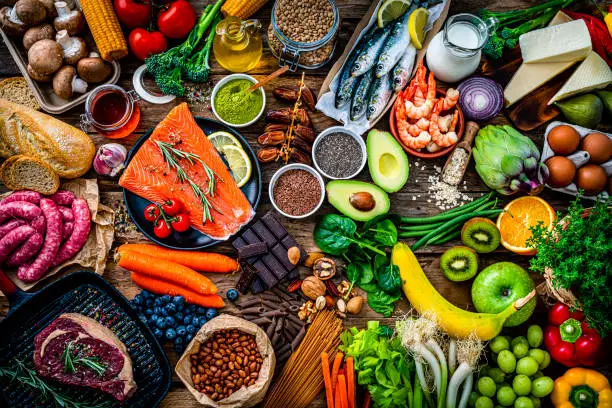
- fruits (apples, berries)
- vegetables (broccoli, carrots, leafy greens)
- whole grains (oats, brown rice)
- legumes (beans, lentils)
- seeds (chia, flaxseed)
👉 These foods nourish your gut—and support your mood.
Why Consistency Is More Important Than Quantity
Adding fiber once won’t change much.
But consistent intake can:
- improve gut microbiome diversity
- support emotional balance
- reduce long-term stress impact
👉 Small daily choices create long-term results.
How to Add More Fiber Without Overcomplicating
Keep it simple:
1. Add One Fiber Source Per Meal
Not everything—just one.
2. Start Gradually
Too much fiber at once can cause discomfort.
3. Stay Hydrated
Water helps fiber work properly.
4. Choose Whole Foods
Less processed = better gut support
Connecting This With Your Other Habits
Fiber is part of a bigger system.
It connects with:
👉 your gut-brain articles
👉 your mindful eating habits
👉 your energy and routine posts
Because:
- nutrition supports your body
- your body supports your emotions
From Digestion to Emotional Stability
When your gut is balanced:
- your mood becomes more stable
- your stress response improves
- your energy feels more consistent
Not because fiber is a “magic solution”—
but because it supports your internal system.
Conclusion
Fiber is not just about digestion.
It’s about balance.
What you eat feeds your gut.
Your gut influences your brain.
Your brain shapes your emotions.
And when that system is supported…
you don’t just feel better physically—
you feel more stable emotionally.

Isabella Duarte is the creator of VidaePalavras, a blog dedicated to lifestyle, emotional well-being, and personal growth.
She is passionate about exploring simple and practical ways to improve daily life, focusing on habits, mental clarity, and balance.
Through her writing, Isabella shares reflections and actionable ideas to help readers reduce stress, build healthier routines, and find more meaning in everyday moments.
All content published on this blog is for informational purposes only and is based on personal research and experience.